This song grew on me. I had no idea what it meant until I did some research. After that, I understood. The lyrics speak for themselves. Gordon Lightfoot is talking about himself. He imbued the song with poetic imagery and a penetrating, flowing melody. What a gift he had to write hundreds of songs, each one unique, each one performed impeccably by the artist. Here’s my cover of “The Minstrel of the Dawn.”
Gordon Lightfoot wrote this song after his marriage to Brita Ingegerd Olaisson ended in divorce. After the breakup, she took their two young children back to France. “If Children Had Wings” is a beautiful, heartbreaking reflection on the pain Lightfoot felt when he was separated from his children. Lightfoot often flew across the Atlantic on the supersonic Concorde to visit his son, Fred, and daughter, Ingrid. Perhaps Lightfoot dreamed of his children having wings so they could fly to him.
As a side note, the breakup with Oliaisson inspired one of Lightfoot’s most famous songs, “If You Could Read My Mind.”
I’m an ardent Lightfoot fan, yet I’d never heard this song until I found it on Pandora. recently. Its tender melody and lyrics captured my heart immediately, and I decided to play it here.
Everybody’s heard of John Denver. Well, almost everybody. At the risk of dating myself, I’ve known about Denver and his music for decades. Yet, I never took the time to examine or play John’s music. Until now. He inspired me to cover “Jenny Dreamed of Trains” in my last blog. Here, I’m taking on one of John’s favorite and most popular songs: “Poems, Prayers, and Promises.”
Released in 1971, “Poems” finds Denver taking stock of his life at the tender age of twenty-eight. Although he still had many years to live, the song sounds like it is written by someone nearing the end of their life. (Maybe that’s why I’m taking it up now.)
The song is prescient because John died tragically and prematurely in a plane crash at the age of fifty-four after years of personal turmoil. His immense talent and worldwide fame took their toll on him and his marriage.
Still, “Poems, Prayers, and Promises” is an optimistic, wise, and beautiful work of art. Let’s leave it at that. Here’s my cover.
Vince Gill wrote “Jenny Dreamed of Trains.” He performs it beautifully, but John Denver’s version caught my attention. The song reminds us what we can create when we hold fast to a dream and work to make it happen. Dreams call to us, despite the many distractions that come between the songs in our hearts. The ordinary necessities of life kept me from pursuing my dreams until I cleared the distractions and focused fully on bringing forth what was always in my heart. In the song, Jenny’s dream seemed impossible, but with faith and the force of her will fueled by passion, a teenage girl changed the world around her.
Nothing is impossible if we listen to and accept the dreams in our hearts. I have written and published 15 novels and created a YouTube channel with guitar and vocal song covers that has reached more than one million subscribers. You can do it, too. Have the courage to live your dreams.
The beauty and message of “Jenny Dreamed of Trains” have made me cry at times. Does the song take you back to your Childhood dreams? Where are they now? Please enjoy my cover.
I recently changed my music source from Sirius XM to Pandora. As an avid fan of Folk and Country Music, it turned out to be a wise decision. Now, I can listen to my favorite recording artists singing songs from the 60s through the 90s. And lately, several of those songs are appearing on this blog.
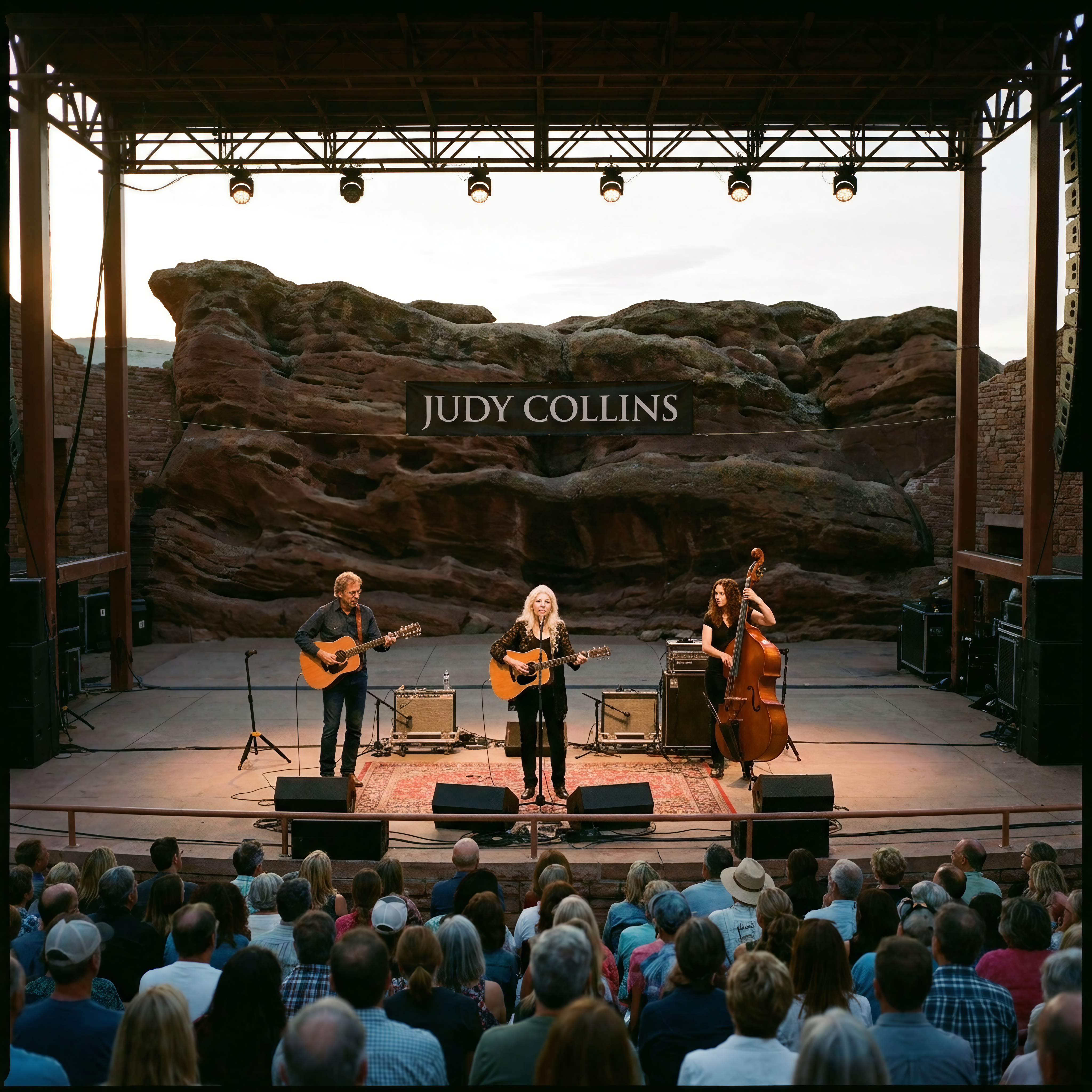
Like the previous song I posted here, “Silver Skies Blue” captured my attention almost immediately. I had never heard it before because, prior to Pandora, I had never listened to Judy Collins’ music the way I do now. In addition to Silver Skies Blue, I’ve posted several of Judy’s cover and original songs, including: When I Was a Girl in Colorado, Suzanne, and Hey, That’s No Way to Say Goodbye.
The album “Silver Skies Blue” features songs by Collins and Ari Hest, who also performs with his polished guitar playing and powerful, deep voice that complements Judy’s higher one perfectly. Released in 2016, the album earned Collins her first Grammy nomination in 40 years.
Townes Van Zandt’s life touched mine only tangentially until recently. I first heard of Van Zandt through Nanci Griffith’s cover of his song “Tecumseh Valley.” Like many Van Zandt ballads, it tells a tragic and beautifully melodic story about a woman named Caroline. “Techumseh Valley” is about a life, a time, and a place far from the life I’ve led. Yet, it’s a song I’ll never forget. Although Van Zandt never became a big name in the music world during his career, it is because of the depth, emotion, and poignancy of songs like “Tecumseh Valley” that the singer and songwriter is remembered and celebrated today, almost thirty years after his death.
There are two more Van Zandt songs that have really touched me. They are “If I Needed You” and “Pancho and Lefty.” I’m covering “Pancho and Lefty” here. “If I Needed You” will arrive in the near future.
“Eternal Flame” is another song that came into my head from out of nowhere. It just started playing in my mind on its own. I remembered the song, but I had never heard of (or don’t remember) an all-girl band called The Bangles. The group was popular in the 1980s. Susanna Hoff, their lead singer, wrote Eternal Flame with songwriters Billy Steinberg and Tom Kelly. The idea came from a Cyndi Lauper song Hoff admired, and from the eternal flame shrine near the Elvis Presley tomb in Graceland, where The Bangles saw it.
“Eternal Flame” became one of The Bangles’ biggest hits, reaching #1 in nine countries, including the USA in 1989.
I still don’t know why “Eternal Flame” barged unannounced into my head, but I’m glad it did. The song is BEAUTIFUL! Here’s my cover.
The Seekers are an Australian band formed in 1962. The Folk and Gospel group achieved the zenith of their popularity in the mid ’60’s with several hit songs. Their most memorable chart-topper is a song titled “I’ll Never Find Another You.” It reached #1 on the UK charts in 1965, making the Seekers the only Australian band with a #1 hit song outside of Australia. The song reached #97 in the United States, quite a feat in itself. The group has continued to perform to standing ovations around the world into the 1990’s.
I am dedicating this song to my wife of 37 years, Bonnie Erens-Gittlin. Without exaggeration, every word in the lyrics applies. I am grateful to have spent my adult life with this woman and the beautiful daughter we have raised. Here’s my cover.
Listening to the Heart Brings Peace and Harmony into a Life
In this song, Cat Stevens is singing to a woman he yearns for in a Human form. On another level, he may be singing, aware or unaware, to the Divine Feminine. In either case, the object of Stevens’ love is unattainable in the present. Yet, I believe, the admirer (Stevens) continues to yearn for his beloved in the hope that he will, one day, meet his perfect love, in either or both Human and Divine forms.
There are many interpretations of “How Can I Tell You.” In my view, the song is hopeful rather than despairing. However one interprets “How Can I Tell you,” I feel the song is filled with incredible beauty that cannot help but shine through.
Stevens first met Alun Davies as a backup musician in a recording session. He liked what he heard. After another session, Stevens recognized that Davies was an exceptional talent. In a following private session, Stevens played something like fifty of his original songs for Davies, whereupon Davies decided Cat was also an exceptional talent. He agreed to accompany Stevens on an upcoming tour. After the tour, Davies became Stevens’ permanent 2nd guitar until Stevens stopped playing music with his conversion to Islam in 1977. When Stevens began performing again in 2003, the two artists reunited.
Here is a new version of “How Can I Tell You” with me playing and singing Davies’ now famous second guitar part.
Have you heard of Steve Gillette? If you were alive in the 1960s and liked folk music, there’s a chance the name rings a bell. Gillette never reached the top of the charts, but he’s a very talented singer/songwriter. Many of his songs have been performed by artists you have heard of, including John Denver, Gordon Lightfoot, Ian and Sylvia, Nanci Griffith, and Linda Ronstadt.
“The Bells in the Evening” appears on Gillette’s debut album, released in 1967. The album, simply titled “Steve Gillette,” stands as one of Steve’s finest recordings. “The Bells” is a bittersweet (actually sweet-bitter) song of love blossoming in the spring and fading away in the fall. I find the melody and lyrics deeply moving. Perhaps you will, too. The song is also replete with imagery. When you listen, what images come to your mind?
I’ve revisited “The Bells of the Evening,” adding a new background track by Giovanni Egusquista. Here’s my cover.
“Bells In The Evening” With Backup Instrumentation