Categories
Acoustic Guitar Performances artist profiles Arts & Entertainment Folk Guitar folk music Folk Song Covers relationships Song Facts songwriting

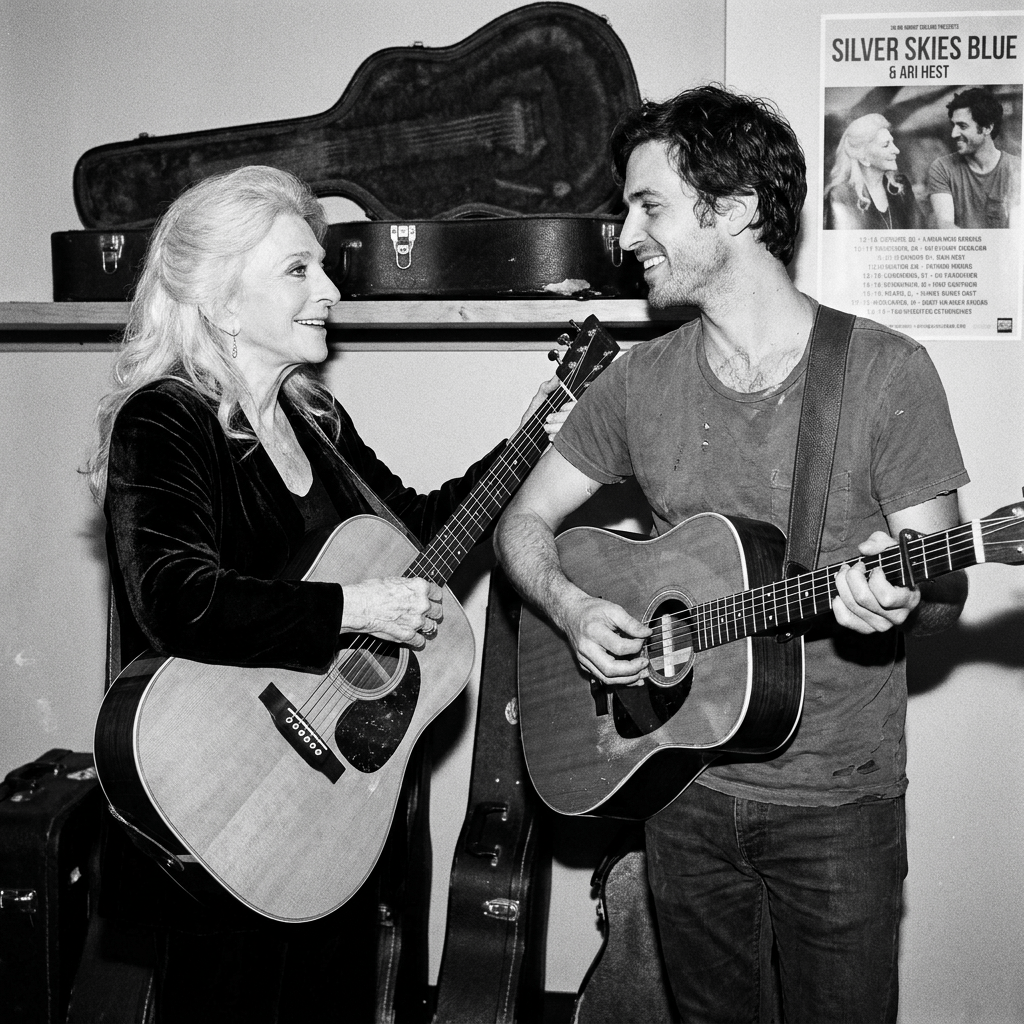
“Silver Skies Blue” Inspired by Judy Collins and Ari Hest

I recently changed my music source from Sirius XM to Pandora. As an avid fan of Folk and Country Music, it turned out to be a wise decision. Now, I can listen to my favorite recording artists singing songs from the 60s through the 90s. And lately, several of those songs are appearing on this blog.

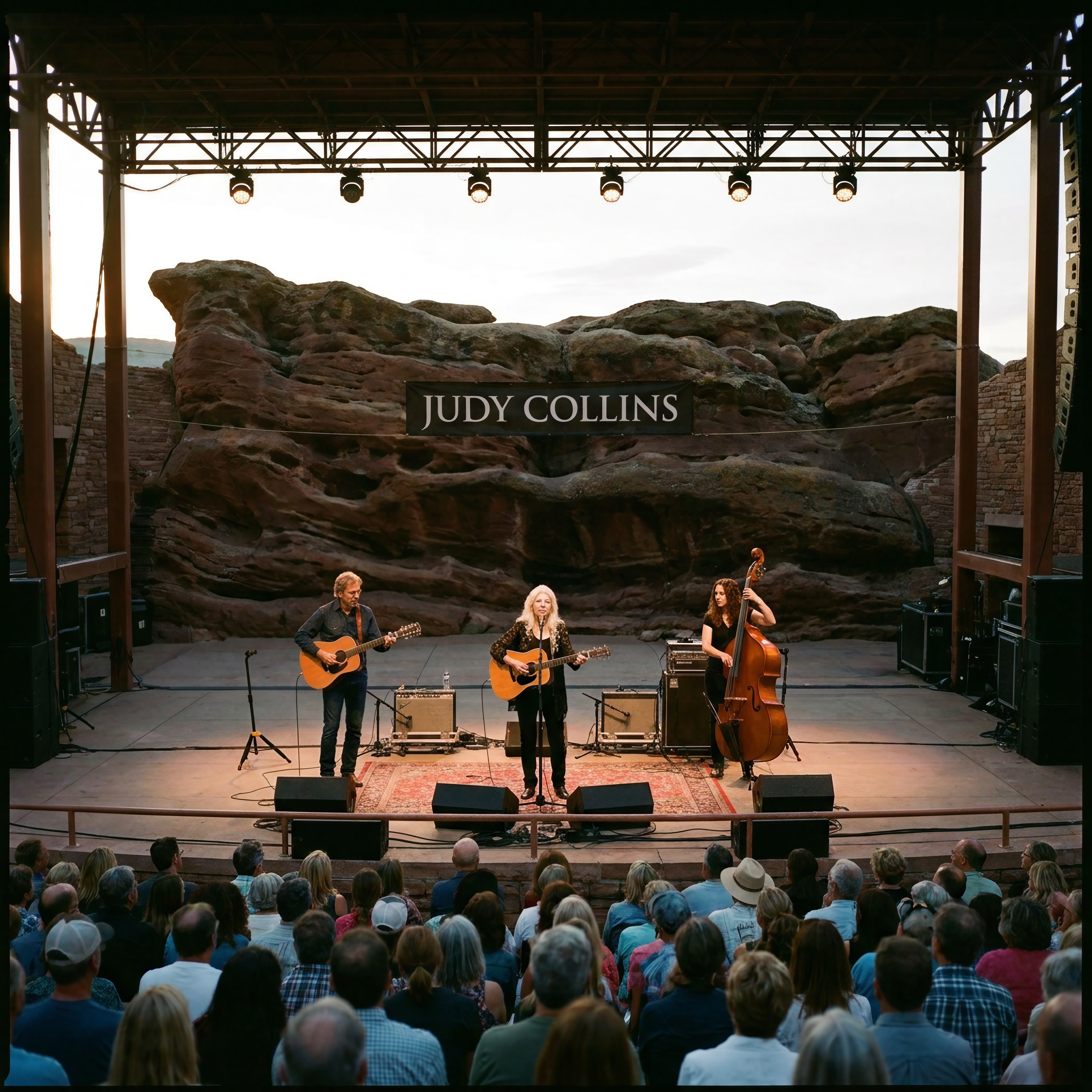
Like the previous song I posted here, “Silver Skies Blue” captured my attention almost immediately. I had never heard it before because, prior to Pandora, I had never listened to Judy Collins’ music the way I do now. In addition to Silver Skies Blue, I’ve posted several of Judy’s cover and original songs, including: When I Was a Girl in Colorado, Suzanne, and Hey, That’s No Way to Say Goodbye.

The album “Silver Skies Blue” features songs by Collins and Ari Hest, who also performs with his polished guitar playing and powerful, deep voice that complements Judy’s higher one perfectly. Released in 2016, the album earned Collins her first Grammy nomination in 40 years.

Solo Version

Enhanced Version
Categories
acoustic guitar Acoustic Guitar Performances artist profiles Arts and Entertainment love relationships Song Facts songwriting

The Story Behind ‘When You Say Nothing At All’

“When You Say Nothing At All” is a country music song with a storied past. Written by Paul Overstreet and Don Schlitz, the song was picked up by Keith Whitley. He loved the song when he first heard it, and wasn’t going to let it go to another recording artist. Whitley had learned his lesson when he passed on another Overstreet-Schlitz song that became a hit for Randy Travis. This time around, “When You Say Nothing At All” became a major hit for Whitley when he introduced it in 1988 on his “Don’t Close Your Eyes” album. Sadly, Whitley passed away a few months later at the age of 33.

As an interesting side note, Schlitz and Overstreet created the song after an unproductive day in the studio. While strumming their guitars, they sang about coming up with nothing at all, which led to the song’s lyrics. They didn’t think the song was anything special, but history proved them wrong.

Country Singer Allison Krause and her band, Union Station, reintroduced the song in 1995 on a tribute album to Keith Whitley. “When You Say Nothing At All” became their first top 10 country hit.

Solo Version

Enhanced Version

Categories
acoustic guitar Acoustic Guitar Performances artist profiles Arts & Entertainment Folk Guitar Folk Song Covers Music Song Facts songwriting

Townes Van Zandt’s Pancho and Lefty

Townes Van Zandt’s life touched mine only tangentially until recently. I first heard of Van Zandt through Nanci Griffith’s cover of his song “Tecumseh Valley.” Like many Van Zandt ballads, it tells a tragic and beautifully melodic story about a woman named Caroline. “Techumseh Valley” is about a life, a time, and a place far from the life I’ve led. Yet, it’s a song I’ll never forget. Although Van Zandt never became a big name in the music world during his career, it is because of the depth, emotion, and poignancy of songs like “Tecumseh Valley” that the singer and songwriter is remembered and celebrated today, almost thirty years after his death.

There are two more Van Zandt songs that have really touched me. They are “If I Needed You” and “Pancho and Lefty.” I’m covering “Pancho and Lefty” here. “If I Needed You” will arrive in the near future.

Thanks for listening.

ENHANCED VERSION

SOLO VERSION

Categories
acoustic guitar Acoustic Guitar Performances artist profiles Arts & Entertainment Folk Song Covers inspiration life love Making Changes Music relationships Song Facts songwriting

Breaking Up With Kindness

The ending of a love relationship is often painful and dramatic. In “Hey, That’s No Way to Say Goodbye,” Leonard Cohen has penned a poetic plea for a graceful, respectful breakup that honors the beauty of a dying connection, rather than dwelling on the pain, anger, and lingering regret of the ending.

Cohen wrote the song in 1966 on a decrepit bed in the Penn Terminal Hotel in Midtown Manhattan. In 1967, Judy Collins, who became Cohen’s good friend, recorded the song for her album  Wildflowers. The following month, Cohen’s own version was released on his debut album, Songs of Leonard Cohen.

Cohen described the song as “a moment of clarity in the middle of a love affair’s end.” He also explained, “It’s about acknowledging that love changes but doesn’t truly die. The bodies may part, but the connection remains in the light and the words left behind.”

While introducing “Hey, That’s No Way to Say Goodbye” during his 1976 Live at Montreux performance, Cohen memorably said: “As you eastern metaphysicians know, just as from the darkest mud blooms the whitest lotus, so from the brownest hotel room you occasionally get a good song.”

Playing heartfelt, beautiful songs like this one juices me up. Enjoy these cover versions.

Solo Version

Enhanced Version